

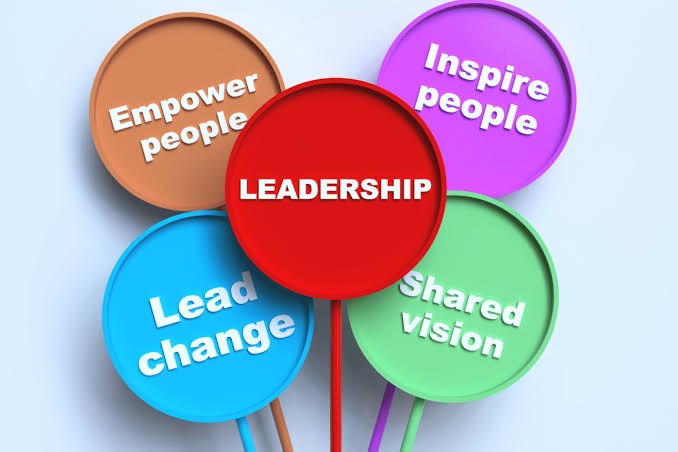
Organisational culture isn’t built by accident — it’s cultivated through the daily actions, decisions, and priorities of the people who lead and manage within it. While leaders set the tone and direction for culture, managers translate those ideals into everyday behaviours that bring it to life. Together, they are the architects and stewards of an organisation’s culture.
But even with the best intentions, many organisations struggle to clearly see where their culture is thriving — and where it’s silently holding them back. That’s where tools like the Cultiv8tiv assessment become invaluable: they make the invisible visible, helping leaders and managers identify the cultural gaps that must be addressed for growth and alignment by measuring every organisation against the fundamentals of culture.
Let’s unpack the distinct but interconnected roles leaders and managers play in shaping culture — and how a data-informed approach can help strengthen both.
Leaders: Setting the Cultural Direction and Tone
At its core, leadership defines what the organisation stands for. Leaders articulate the why — the shared purpose, vision, and values that guide decisions and behaviours. But beyond words, it’s their actions that set the tone.
- Defining the Cultural Vision
Great leaders intentionally design the culture they want to create. They define the values and principles that shape “how things are done around here.” These aren’t just posters on the wall — they’re expectations that guide strategy, behaviour, and decision-making. - Modelling the Culture
Employees watch their leaders closely. The way leaders handle pressure, make decisions, and interact with others signals what’s truly valued. If a leader preaches transparency but acts defensively when challenged, the real message becomes clear: candour isn’t safe here. Leaders become the culture they model. - Inspiring Alignment
Culture thrives when people see how their work connects to a meaningful mission. Leaders who communicate the “why” — not just the “what” — inspire people to align their efforts with a shared purpose. - Enforcing the Culture
Culture can often be described as the “behaviours you are willing to tolerate”. Leaders need to set the standard, but also ensure that every person in the organisation is held to account for living the values. Fail to do that and leaders are sending the message that values are optional.
Managers: Translating Culture into Everyday Practice
If leaders set the tone, managers keep the rhythm. They operationalise the organisation’s values, embedding them into daily routines, processes, and conversations. Managers are where culture either comes alive — or quietly fades away.
- Turning Values into Behaviours
Managers interpret abstract values like “challenge”, “collaboration” or “accountability” into tangible actions and behaviours. They help teams understand what those values look like in their specific context. For example, “challenge” might mean encouraging employees to ask questions and sharing alternative ideas before final decisions are made. - Hiring, Developing, and Rewarding for Culture Fit
Managers shape their team’s micro-culture through the choices they make — who they hire, promote, coach, and recognise. Every decision reinforces (or undermines) the broader culture. There are too many examples where good performing sales people are allowed to breach the values without being called out. - Creating Safe and Engaging Environments
Psychological safety and inclusion don’t happen by policy; they happen through consistent, human interactions. Managers are responsible for creating the spaces where people feel valued, heard, and trusted — everyone a key foundation of a healthy culture. - Maintaining Accountability
Culture isn’t only about positivity; it’s about consistency and accountability. Accountability is often viewed as an employee’s ability to deliver what they promise in their day-job or to deliver what is expected of them. However managers need to broaden this definition to include an employee’s ability to consistently demonstrate the organisation’s values. By setting clear expectations, as well as regular and constructive feedback managers can ensure that standards are upheld.
When Leaders and Managers Align, Culture Scales
An aligned leadership and management ecosystem is what turns culture into a competitive advantage. Leaders define what the culture stands for and why it matters. Managers define how it shows up every day and ensures that minimum standards are upheld.
When the two are connected, culture becomes coherent, consistent, and scalable — especially in times of growth or change. But when there’s misalignment between what’s said at the top and what’s lived on the ground, culture fractures. That’s when disengagement, confusion, and turnover start to creep in.
Where Cultiv8tiv Helps: Making Culture Measurable and Actionable
Many organisations talk about culture, but few can measure it precisely. That’s where the Cultiv8tiv assessment comes in.
Cultiv8tiv provides leaders and managers with data-driven insights into the real state of their organisational culture. It highlights not just how people feel about the culture, but where the system — leadership behaviours, communication patterns, and team practices — may be out of sync.
With Cultiv8tiv, you can:
- Identify alignment gaps between leadership intent and employee experience.
- Understand where managers need support to better embed cultural values into daily work.
- Highlight the hidden strengths of your culture that can be leveraged for growth.
- Prioritise action areas to build a more consistent, scalable, and intentional culture.
This kind of insight empowers leaders and managers to move from assumption to evidence — from “we think our culture is strong” to “we know what’s working and what’s not.”
In Summary
Culture isn’t a side project; it’s the foundation on which strategy succeeds or fails. Leaders and managers are the dual engines that shape it — one setting the tone, the other sustaining the rhythm.
When they align around shared values, model them consistently, and use data to understand where culture thrives or struggles, organisations create environments where people and performance flourish.
And that’s exactly what Cultiv8tiv helps you achieve — a culture you can measure, understand, and grow intentionally.