

Why HR Became the Department of Rules
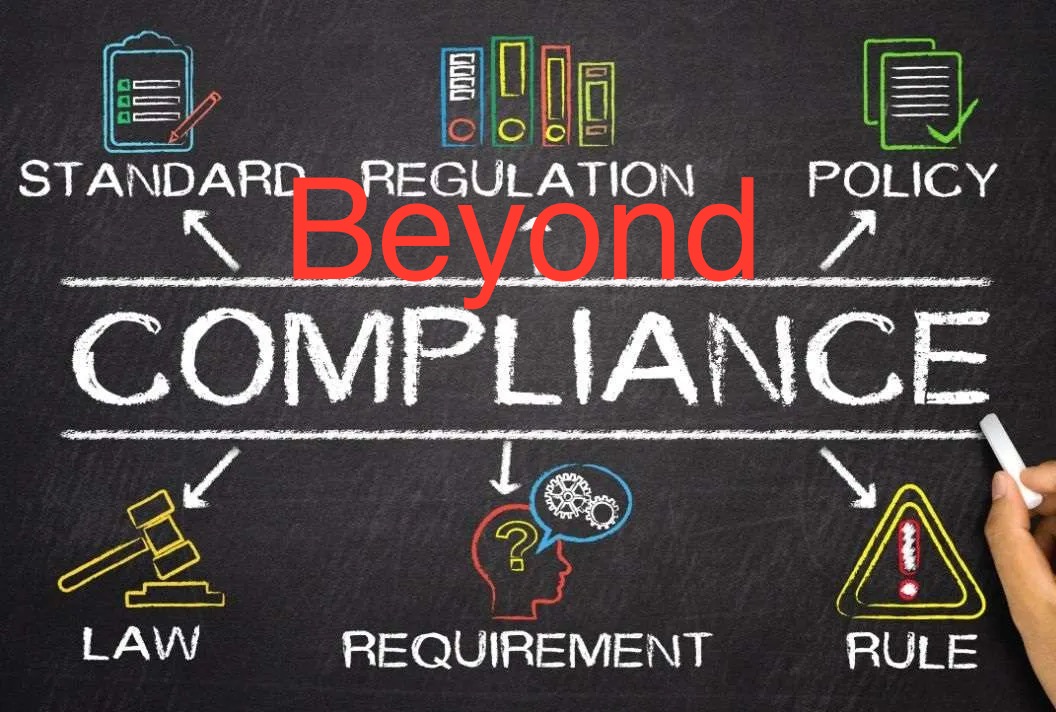
In many organisations, HR has quietly become synonymous with compliance. Policies. Procedures. Contracts. Risk mitigation. Audits. Forms. All of these things matter. Employment law exists for a reason, and organisations that ignore it do so at their peril. But somewhere along the way, many businesses have allowed the compliance side of HR to become the whole story. The result? HR is often viewed as the department that says no, rather than the function that unlocks potential.
And that’s a massive missed opportunity.
Compliance Is Necessary — But It’s Not the Point
Let’s be clear: compliance is table stakes.
It keeps organisations safe. It creates fairness. It provides consistency. Without it, trust erodes quickly.
But compliance is fundamentally defensive. It focuses on avoiding what could go wrong.
Culture, on the other hand, is offensive. It focuses on creating what could go right.
When organisations fixate on compliance alone, HR becomes transactional:
- Are contracts signed?
- Have people completed mandatory training?
- Are we legally covered?
All important questions. None of them answer:
- Do people feel safe to speak up?
- Do they understand how their work matters?
- Are leaders creating environments where people can do their best work?
The Real Cost of Ignoring Culture
Culture is often dismissed as “soft” or “nice to have” because it’s harder to measure than compliance checklists.
But the costs of neglecting it are anything but soft:
- Disengagement: Employees who do the minimum because no one has asked for more.
- Attrition: Good people leaving not because of pay, but because of managers, environments, and values gaps.
- Low accountability: When expectations are unclear, performance quietly drifts.
- Change fatigue: Strategies fail not because they’re wrong, but because people don’t believe in them.
Organisations then respond by adding… more process.
More rules. More policies. More layers.
Which only widens the gap between leadership intent and employee reality.
Culture Is Where the Real Value Lives
Organisational culture is not about perks, slogans, or values posters on the wall.
It’s about the lived experience of work:
- How decisions actually get made
- How conflict is handled
- What gets rewarded (and what gets ignored)
- How leaders behave when things go wrong
When organisations intentionally focus on culture, powerful things happen:
- Discretionary effort increases — people give more because they want to, not because they have to.
- Performance improves — clarity, trust, and accountability drive better outcomes.
- Innovation grows — psychological safety creates space for ideas and challenge.
- Leadership capacity expands — more people step up, not just those with titles.
This is where HR can become a strategic engine, not an administrative function.
“Organisations need to focus on how they can harness the power of their people so together they can do amazing things”
Why Organisations Stay Stuck in Compliance Mode
If culture is so valuable, why do so many organisations struggle to prioritise it?
A few common reasons:
- Compliance feels safer — it’s clear, binary, and legally defensible.
- Culture feels subjective — harder to define, harder to measure, harder to own.
- Short-term pressure — culture work takes time, while compliance delivers immediate reassurance.
- Leadership discomfort — culture shines a light on behaviours, not just systems.
But avoiding culture doesn’t make it go away. It simply means it evolves by default rather than by design.
From Compliance-First to Culture-Enabled
The opportunity isn’t to abandon compliance — it’s to stop mistaking it for impact.
Forward-thinking organisations are reframing HR’s role:
- Compliance as the foundation
- Culture as the multiplier
This means:
- Measuring culture with the same seriousness as financial performance
- Equipping leaders to shape environments, not just manage tasks
- Listening to employees beyond engagement surveys
- Treating people as value creators, not risks to be managed
When organisations get this right, they don’t just protect themselves — they unlock the full power of their people.
And that’s where sustainable performance lives.
The Role of Cultiv8tiv
At Cultiv8tiv, we provide standardised, scalable ways to assess organisational culture across industries and organisation sizes. Our approach is designed to complement internal capability, not replace it.
By leading the assessment externally, we enable HR and leadership teams to engage with credible, objective insight and focus their energy where it matters most: turning insight into action.
Culture is too important to be constrained by hierarchy, proximity, or politics. To change it, organisations must first be willing to see it clearly.