

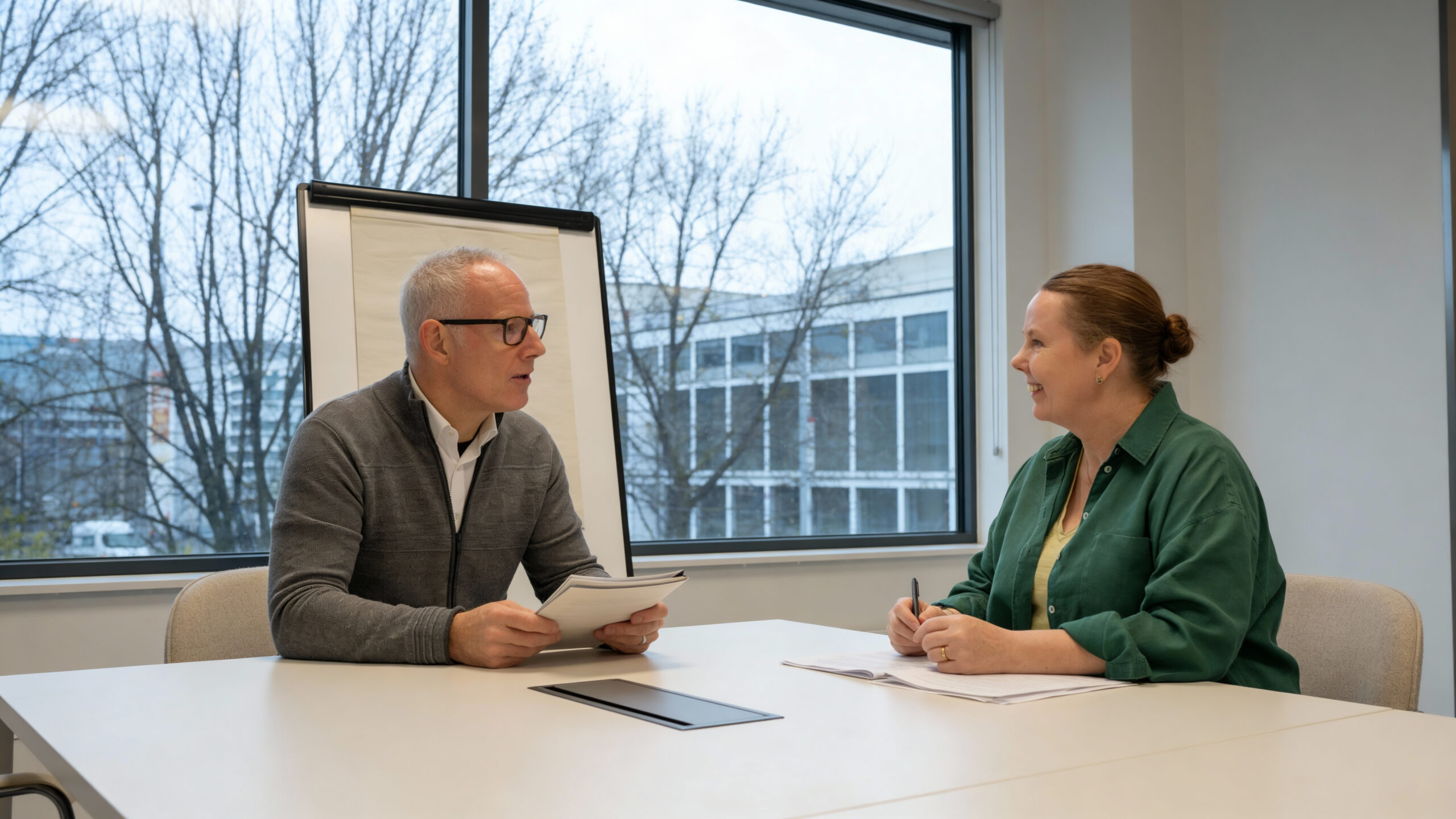
When Cultiv8tiv CEO, James Leavesley sat down with PeopleWise Solutions Founder, Karen Orr, HR strategist and trusted partner to growing SMEs, one theme surfaced again and again: culture isn’t complicated — but it is powerful. And when ignored, it quietly becomes the root cause of disengagement, conflict, compliance issues, and ultimately weakened business performance.
Karen’s work is grounded in a simple truth: culture can be defined as “the way things get done around here” — or more importantly, “how it feels to work here”. In smaller organisations especially, she notes, culture is “even more visible,” meaning misalignment shows up faster and hits harder. For leaders trying to scale sustainably, she argues, this makes culture both a risk and at the same an opportunity.
The New Generation That Won’t Compromise on Culture
Karen has noticed something many growing businesses are beginning to experience: Gen Z candidates place equal weight on culture and salary.
“They already understand the importance of culture and are prepared to walk if the culture is not what they were sold during the hiring process,” she says.
And it matters commercially. A healthy culture; a workforce that is engaged and aligned internally directly impacts on the customer experience, which drives both revenue and customer retention. Karen explains. “Healthier internal relationships lead to healthier customer relationships, and that always translates to better outcomes.”
Why Culture Starts — and Sometimes Slips — at the Top
“As soon as a leader stops living their values, it gives everyone else permission to ignore them too,” Karen reflects.
Leadership behaviour, in her view, is the single biggest determinant of cultural strength or fragility. But while most leaders know this cognitively, the practical reality is harder.
In her consulting work, Karen often finds herself holding up a mirror:
“You say this is important, but this is what I observe.”
These honest conversations can be uncomfortable — but they’re vital. They force leaders to reconnect intent with lived behaviour, often leading to refined values, clearer expectations, and renewed alignment across leadership teams.
From Values to Behaviours: Where Culture Becomes Real
Karen’s model begins with values, but it doesn’t stop there.
She works with leaders to define:
- The behaviours that demonstrate a value
- The behaviours that undermine it
- How those behaviours show up in recruitment, onboarding, performance, and recognition
Values become the thread running through everything: job descriptions, policies, tone of voice, reward frameworks, and how performance is managed.
“Once I’ve got behaviours embedded in the foundations, they underpin everything we do,” she says.
The Cultiv8tiv Effect: Richer Data, Deeper Insight
For culture audits, Karen pairs her existing methodology with the Cultiv8tiv platform.
“Cultiv8tiv is fantastic in the volume of data it generates and the way it can be segmented,” she explains.
The framework helps her highlight hotspots quickly and then spend her time where it matters most — in conversations, focus groups and one-to-one interviews.
This combination of quantitative clarity and qualitative depth helps her get “under the skin” of cultural challenges, such as disengaged teams or friction within specific functions so she can remove these blockages across the organisation.
Compliance: The Doorway into Culture
Interestingly, most clients come to Karen initially for compliance support because that is what CEO’s and Leadership Teams want/ need.
But she sees compliance issues as symptoms, not causes.
“These problems usually arise because of a breakdown in behaviour somewhere along the line,” she says. In smaller organisations, she often talks less about “culture” and more about “good management” — because when leaders manage their people well, compliance follows naturally.
Her approach reframes compliance from something rigid and reactive into something rooted in clarity, expectations, and everyday behaviour.
The Real Cultural Challenge for SMEs: Clarity
Across sectors and sizes, Karen sees one barrier more than any other: a lack of clarity.
Leaders often have a strong picture in their heads of what they want — but struggle to articulate it. That vagueness becomes costly. In the absence of values and behaviours written down employees have to guess boundaries by watching colleagues, which leads to inconsistency, confusion, and sometimes conflict.
Providing clarity on:
- Expectations of all employees
- Boundaries for what is acceptable
- Boundaries for what is unacceptable
All of this creates safety, confidence, and alignment. And yet, as Karen notes, many managers still struggle with one essential skill: giving clear, constructive feedback. This includes how a person needs to develop to be better in their role as well as praise and recognition for doing good work.
“It’s not that managers don’t see poor behaviour,” she says. “They often just lack the confidence to tackle it.”
“It’s not that managers don’t see the good work that their employees do,” she says. “They often just lack an understanding of the impact it can have.”
Why External Consultants Can Go Deeper
Karen has sat on both sides — inside organisations and now as an independent consultant. The difference is significant.
“As an external partner, I can be more direct and more objective and because I am external the client listens,” she explains.
In-house HR teams can leverage cultural values too, but it often becomes associated with “policing” rather than improvement. External consultants, she argues, can facilitate honest conversations without any internal politics.
Where Should Leaders Start?
For any SME wanting to build culture intentionally but unsure where to begin, Karen offers this simple starting point:
Ask yourself:
- What are the behaviours you always recognise and reward?
- What are the behaviours that frustrate or concern you the most?
These lists are the beginnings of real organisational values — not the aspirational words on posters, but the truths leaders already act on.
From there, they can be woven into job descriptions, recruitment processes, performance conversations, and everyday expectations.
“It only takes a fifteen-minute brainstorm to start uncovering what’s really important,” she says.
A Perspective Leaders Need — Now More Than Ever
Karen Orr’s work shows that culture isn’t abstract. It’s not a “nice to have.”
It’s practical. It’s behavioural. And it’s one of the few levers leaders can pull that impacts everything: engagement, performance, retention, customer experience, and ultimately, business growth.
Her message is clear:
Culture is built every day, in every decision, by everyone — but most powerfully by leaders.
And if organisations can align behaviour with intent, culture becomes not just a foundation, but a strategic advantage.
Please check out the PeopleWise Solutions website at https://peoplewisesolutions.co.uk/ and if you want to connect with Karen on Linkedin then please follow this link; https://www.linkedin.com/in/karenorr/