

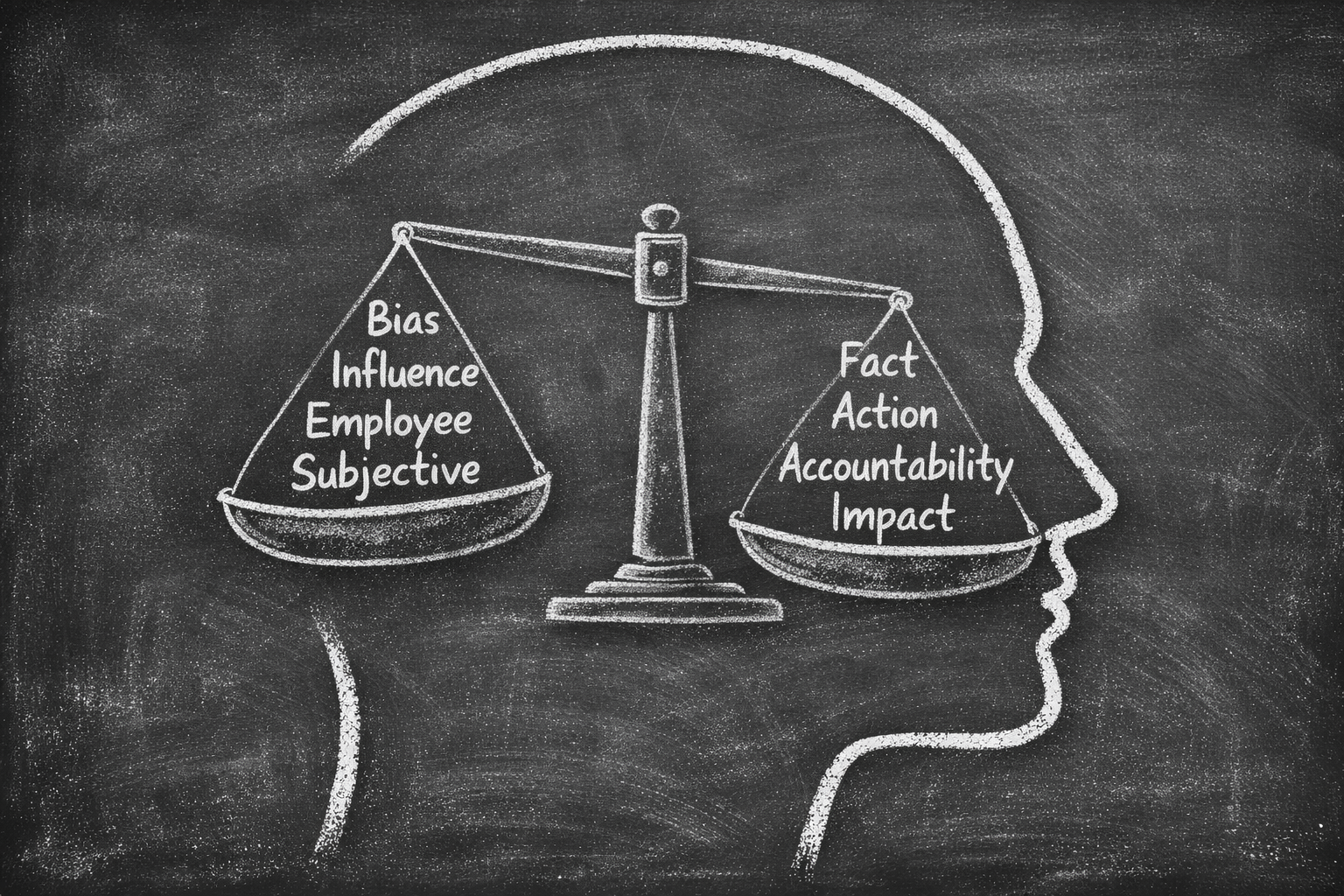
(If you want to make lasting change then organisational Culture change should be led externally, not Internally)
Organisational culture is no longer a “soft” concept or a side conversation. It is a measurable driver of performance, engagement, risk, and long-term sustainability. Across industries and sectors, organisations that understand and actively shape their culture outperform those that leave it to chance.
Yet while many organisations recognise the importance of culture, far fewer get the assessment and change process right. One of the most common missteps is placing the responsibility for culture assessment and feedback solely within internal teams, typically led by HR and sponsored by the CEO or COO.
While well-intentioned, this approach often limits objectivity, credibility, and ultimately, meaningful change.
Why Organisational Culture Matters More Than Ever
Culture influences how decisions are made, how people behave under pressure, and how aligned individuals feel with the organisation’s purpose. It shapes:
- Leadership effectiveness
- Employee engagement and retention
- Risk tolerance and ethical behaviour
- The ability to scale and adapt
In complex, fast-moving environments, culture either accelerates performance or quietly erodes it. This is why organisations across both public and private sectors are increasingly seeking standardised, evidence-based ways to assess their culture rather than relying on anecdotal insight or engagement surveys alone.
The Challenge with Internal-Led Culture Assessments
In most organisations, culture initiatives sit within the HR function. The internal lead is often highly capable, deeply committed, and genuinely wants to create positive change. However, structural and relational realities make true objectivity extremely difficult.
- Reporting Lines Create Unspoken Constraints
When HR leads culture assessment but reports into the CEO or COO, there is an inherent power dynamic. Even with psychological safety, there are topics that feel risky to surface:
- Leadership behaviours that are misaligned with stated values
- Inconsistencies between executive intent and employee experience
- Cultural “blind spots” embedded at the top
This often results in softened language, selective emphasis, or cautious framing of findings. Over time, this dilutes the truth.
- Proximity to the System Limits Perspective
Internal teams are part of the culture they are trying to measure. They have lived within its norms, narratives, and assumptions, sometimes for years. This proximity makes it harder to challenge “the way things are done around here” or to see patterns that feel normal internally but are problematic externally.
Familiarity can unintentionally breed acceptance.
- Trust and Candour from Employees Can Be Reduced
Even with assurances of confidentiality, employees may be reluctant to be fully honest when feedback is collected internally. Concerns about anonymity, future consequences, or being identifiable within small teams can lead to filtered responses.
When people do not feel completely safe to speak candidly, the data becomes incomplete.
- Internal Politics Can Shape Outcomes
Culture is deeply political because it touches leadership behaviour, decision-making, and power. Internal leads often have to navigate competing priorities, protect relationships, and manage reputational risk. This can influence which insights are prioritised and which are quietly deprioritised.
The result is often a report that is accurate in parts, but not transformative.
Why External Consultants Are Better Positioned to Lead
An external consultant brings distance, neutrality, and credibility that internal teams simply cannot replicate.
- True Independence and Objectivity
External consultants have no stake in internal politics, reporting lines, or future promotion. They can ask difficult questions, surface uncomfortable truths, and present findings without fear of personal or professional consequence.
This independence is essential when culture change requires leadership to look honestly at itself.
- Greater Psychological Safety for Honest Feedback
Employees are more likely to be open and direct with an external party who is clearly independent from the organisation’s hierarchy. This leads to richer data, clearer patterns, and insights that reflect reality rather than perception management. - Pattern Recognition Across Industries and Sectors
External consultants, particularly those using standardised culture assessment frameworks, bring comparative insight. They can distinguish between what is unique to an organisation and what is a common cultural challenge at a particular stage of growth or complexity.
This context strengthens both diagnosis and recommendations.
- Credibility at the Executive Table
Findings delivered by an external expert often carry more weight with leadership teams. What might be dismissed as “HR’s view” internally is more likely to be received, debated, and acted upon when presented by an independent authority.
Importantly, this does not undermine HR. It strengthens their role by removing them from the position of cultural referee.
How Objectivity Unlocks Real Change
Culture change stalls when leaders receive partial truths. Without clear, unfiltered insight into how their organisation truly operates, leadership teams may invest in initiatives that address symptoms rather than causes.
External-led assessments create the conditions for:
- Honest reflection at the top
- Alignment between stated values and lived behaviours
- Targeted, evidence-based interventions
- Shared ownership of culture beyond HR
When leaders see their culture clearly, they can lead change decisively.
The Role of Cultiv8tiv
At Cultiv8tiv, we provide standardised, scalable ways to assess organisational culture across industries and organisation sizes. Our approach is designed to complement internal capability, not replace it.
By leading the assessment externally, we enable HR and leadership teams to engage with credible, objective insight and focus their energy where it matters most: turning insight into action.
Culture is too important to be constrained by hierarchy, proximity, or politics. To change it, organisations must first be willing to see it clearly.
And sometimes, that clarity can only come from the outside.